Education
What a futures contract is
A futures contract fixes a price today for something settled later. That simple idea sits behind one of the most actively traded kinds of market.
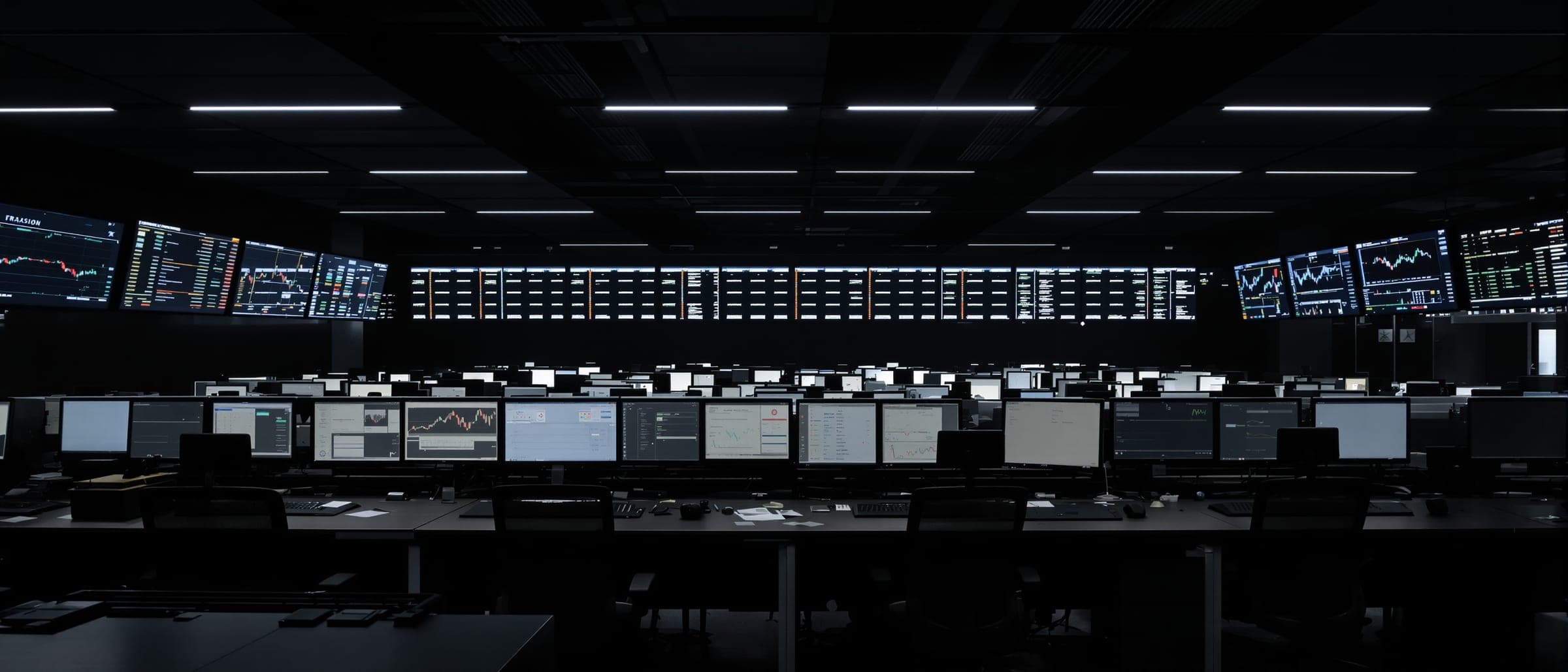
The agreement
A futures contract is an agreement to buy or sell a set quantity of something at a price agreed today, for settlement on a date in the future. The something is called the underlying. It can be a physical commodity such as gold or silver, or a financial measure such as a stock market index.
Every detail except the price is fixed by the exchange that lists the contract: how much of the underlying one contract represents, the smallest step the price can move by, the months in which contracts expire and how they settle. Because every contract of one kind is identical, any buyer can trade with any seller, and the only thing left to agree is the price.
Why the idea exists
Futures began as a way for producers and users of commodities to fix prices in advance. A farmer could agree in spring the price of grain to be harvested in autumn, and a mill could agree what it would pay. Both gave up the chance of a better price for the certainty of a known one.
Metals work the same way. A mining company might sell gold futures to fix the price of metal it will produce months from now, while a jeweller might buy them to fix the cost of metal it will need. Index futures apply the idea to a whole stock market: a single contract rises and falls with an index such as the S&P 500, without anyone buying the shares in it.
Alongside these hedgers are traders who have no use for the underlying itself. They buy and sell futures to act on a view of where prices are going, and in doing so they add to the number of buyers and sellers in the market. Without them, a hedger could wait a long time to find someone to take the other side.
The exchange and the clearing house
In the United States, futures trade on exchanges such as those run by CME Group, which lists equity index futures and, through COMEX, metals futures including gold and silver. Trading is almost entirely electronic, and many contracts trade nearly around the clock from Sunday evening to Friday afternoon, US time, with a short break each day.
Once a trade is matched, a clearing house steps in between the two sides. It becomes the buyer to every seller and the seller to every buyer. Neither side needs to know the other; each has an obligation only to the clearing house.
Margin and daily settlement
Buying a futures contract does not mean paying its full value. Instead, the exchange sets an initial margin: an amount of money that must be held in the account for as long as the position is open. It is a fraction of the contract’s value, which is why futures are described as leveraged.
At the end of each trading day, every open position is valued at that day’s settlement price. If the price moved in a trader’s favour, money is added to the account; if it moved against them, money is taken out. This is called marking to market. If the account falls below a second level, the maintenance margin, the trader is asked to add money or close the position.
Leverage cuts both ways. Because a small amount of margin controls a much larger contract value, a modest move in the underlying becomes a large change in the account, and a loss can be larger than the margin that was held.
Expiry, delivery and rolling
Each contract has an expiry. Equity index futures are settled in cash: at expiry no shares change hands, and the final difference is paid in money based on the index. Metals futures are physically deliverable, meaning a contract held to the end can involve real metal, held in approved warehouses, changing ownership.
In practice, most traders close or replace their positions before expiry. Replacing a position in the expiring contract with one in the next contract month is called rolling. Equity index futures expire each quarter, in March, June, September and December, so trading activity moves from one contract to the next four times a year.
Reading a contract specification
Every futures contract publishes a specification. The details worth understanding first are these:
- The underlying: what the contract tracks or delivers.
- The contract size: how much of the underlying one contract represents.
- The tick size and tick value: the smallest price step, and what that step is worth for one contract.
- The trading hours: when the contract can be traded, and when the daily break falls.
- The expiry and settlement: when the contract ends, and whether it settles in cash or by delivery.
Two contracts on the same underlying can differ greatly in size. Many index and metals futures come in a standard size and a much smaller micro size, so the same market can be traded in very different amounts.
In short
A futures contract is a standard agreement to trade later at a price fixed now, backed by a clearing house, held with margin rather than paid in full, and valued every day. Those four features explain most of what makes futures useful, and most of what makes them demanding.
Keep reading.

What systematic trading means
Systematic trading replaces judgement in the moment with rules decided in advance. That sounds simple. Doing it well is mostly about what happens before a rule ever trades.

Why written rules matter
Most trading mistakes are not failures of knowledge. They are decisions made under pressure that nobody planned for. Writing rules down is how that pressure is taken out of the moment.

Sizing, stops and staying in the game
The traders who last are rarely the ones with the best ideas. They are the ones who decided in advance how much any single idea is allowed to cost.